

When it comes to thin section bearings—critical components in applications like robotics, medical devices, and aerospace equipment—one common question arises: Do they require lubrication? The short answer is yes, absolutely. Despite their compact design and lightweight structure, thin section bearings rely on proper lubrication to perform reliably, avoid premature failure, and extend their service life.
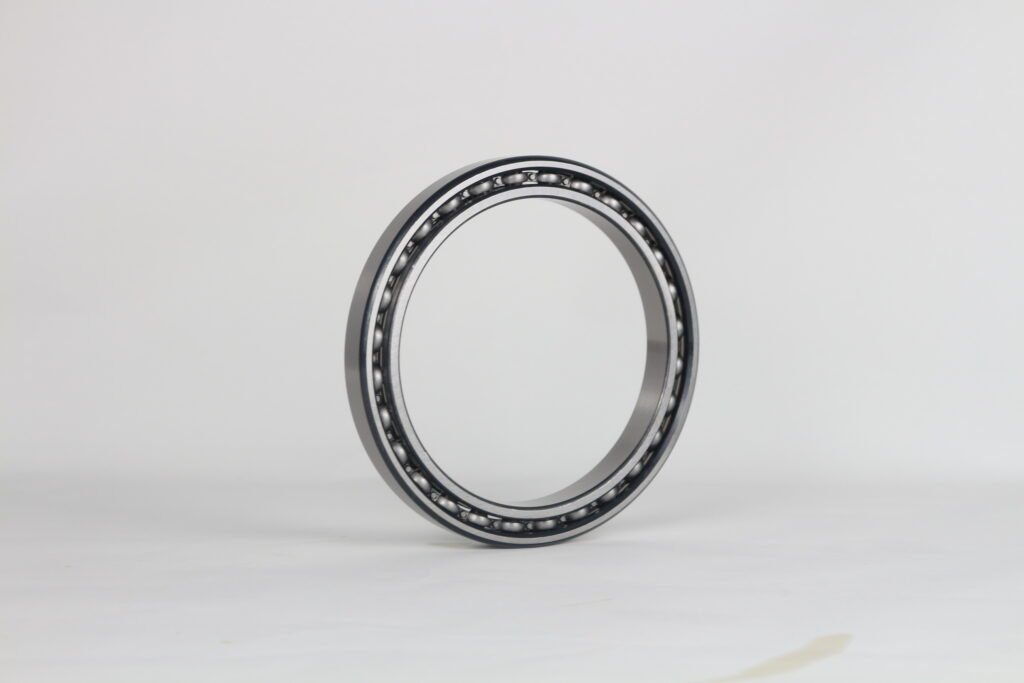
First, lubrication addresses the core challenge of friction in thin section bearings. These bearings have narrow cross-sections, which means their rolling elements (balls or rollers) and raceways are in constant, high-pressure contact during operation. Without lubrication, metal-to-metal friction would generate excessive heat, leading to wear on critical surfaces. Over time, this wear can cause bearing noise, reduced precision, and even sudden seizing—costly issues for industries where downtime disrupts production or compromises safety.
Second, lubrication acts as a protective barrier against corrosion and contamination. Thin section bearings are often used in harsh environments, such as dusty manufacturing floors or humid medical settings. Lubricants (whether oils or greases) form a thin film that seals out debris, moisture, and chemicals, preventing rust on raceways and damage to rolling elements. This is especially important for bearings in food processing or pharmaceutical applications, where cleanliness and corrosion resistance are non-negotiable.
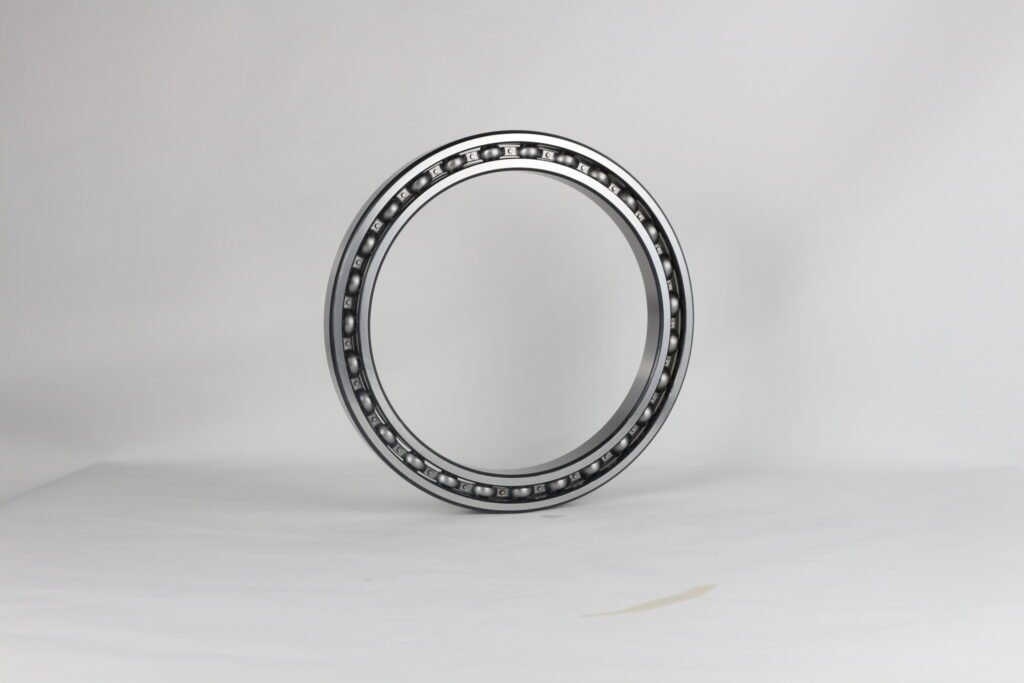
Choosing the right lubrication method matters, too. For low-speed, light-load uses (like small robotics), grease lubrication is ideal—it stays in place and requires less frequent maintenance. For high-speed or high-temperature applications (such as aerospace components), oil lubrication offers better heat dissipation and consistent performance. Regardless of the type, following the manufacturer’s guidelines on lubricant viscosity, quantity, and reapplication intervals is key to maximizing bearing efficiency.
In summary, lubrication is not an optional step for thin section bearings—it is a fundamental part of their maintenance. By reducing friction, protecting against damage, and ensuring smooth operation, proper lubrication helps these compact components deliver the precision and durability that modern industries demand.