

Thin section bearings have become a cornerstone in modern robotics, where space efficiency and high rotational accuracy are non-negotiable. Specifically engineered to meet the unique demands of robotic systems, thin section bearings for robotics address the industry’s need for compact components that don’t compromise on performance—critical for robotic arms, collaborative robots (cobots), and automated guided vehicles (AGVs) where every inch of design space impacts functionality.
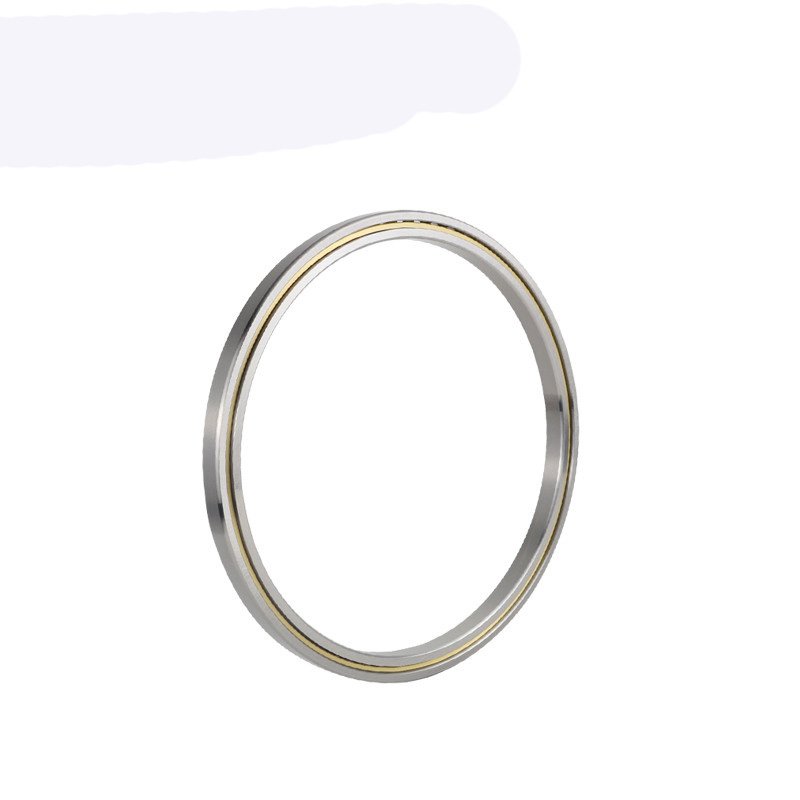
Unlike standard bearings, robotic-focused thin section bearings feature an ultra-slim cross-section, allowing seamless integration into tight robotic joints and linkages. Constructed from high-strength materials like alloy steel or corrosion-resistant stainless steel, they withstand the repetitive motions and variable loads common in robotic operations—from pick-and-place tasks in manufacturing to delicate movements in medical robotics. Many models also include low-friction seals (such as PTFE-coated seals) to reduce energy loss, a key factor for extending battery life in mobile robots and minimizing heat generation in continuous-operation industrial robots.
The performance benefits of thin section bearings for robotics are far-reaching. In robotic arms, they enable precise angular positioning (with tolerance levels as tight as ±0.001mm) and smooth, quiet operation—essential for tasks like electronics assembly or lab automation where precision directly affects product quality. For collaborative robots, their lightweight design reduces overall robot mass, enhancing safety by lowering impact force in human-robot interaction scenarios. Even in heavy-duty industrial robots, these bearings support high-speed rotations (up to 6,000 RPM in some configurations) while maintaining stability under dynamic loads.
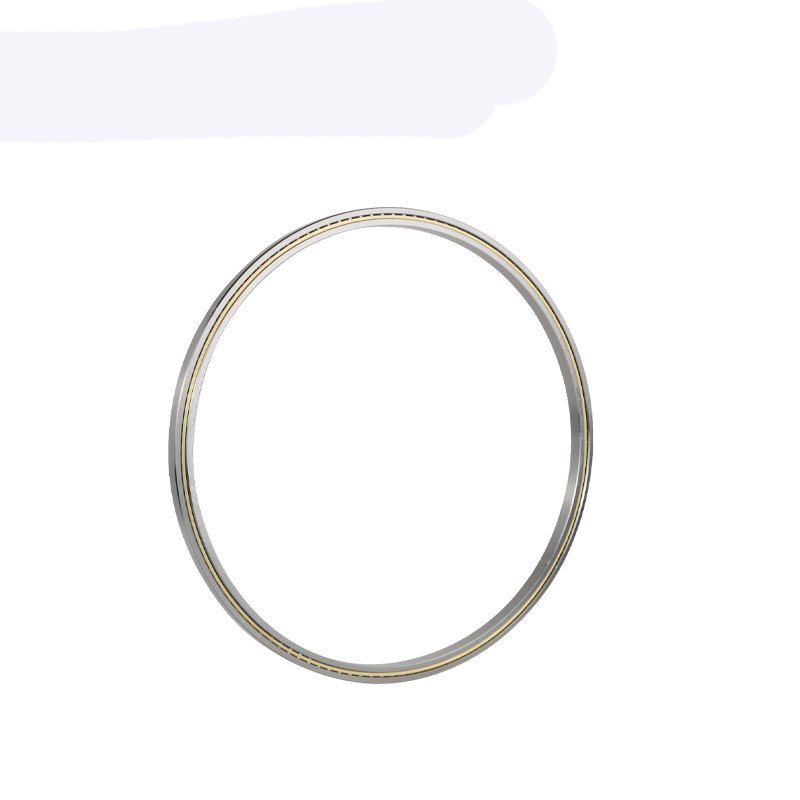
When selecting thin section bearings for robotics, key considerations include precision class (ABEC-7 or higher for high-precision tasks), load rating (to match the robot’s payload capacity), and environmental resistance (e.g., IP65-rated seals for dusty factory floors or washdown-compatible materials for food-processing robots). Partnering with a supplier experienced in robotic applications ensures access to customized solutions, such as bearings with modified internal clearances for vibration dampening or special lubricants for extended maintenance intervals.
In short, thin section bearings are a game-changer for robotics, enabling smaller, more efficient, and more precise robotic systems. As robotics evolves—from industrial automation to healthcare and logistics—these bearings will remain vital to unlocking new levels of robotic performance.