

In the world of precision machinery, where every millimeter counts and performance hinges on hidden components, CFN slim bearings stand out as a quiet game-changer. These aren’t your average, bulky bearings—they’re engineered for the tight spots, the weight-sensitive designs, and the high-stakes applications where conventional parts simply won’t fit. From aerospace gadgets to medical devices, CFN slim bearings are the unsung heroes keeping critical systems running smoothly, often without anyone noticing they’re there.
What Makes CFN Slim Bearings Different?
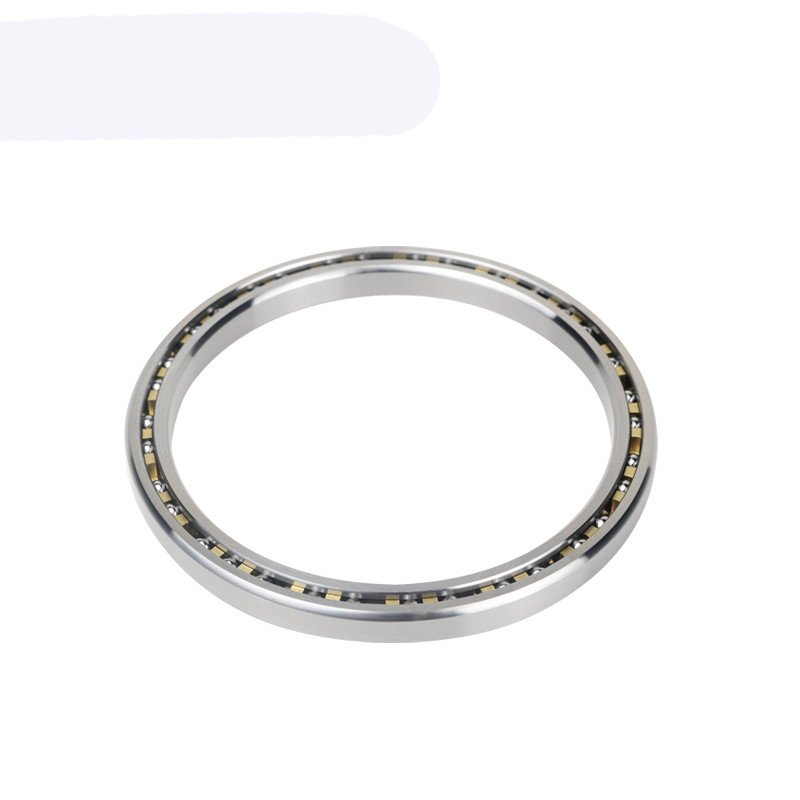
First, let’s break down the “slim” in CFN slim bearings. Unlike standard bearings, which prioritize load capacity over profile, CFN slim bearings boast an ultra-thin cross-section that stays consistent even as bore diameters increase—a feature known as constant section design . Picture this: a bearing with an outer diameter of 50mm that’s only 5mm thick, compared to a standard bearing of the same diameter which might be 10mm or more . This slim profile isn’t just about saving space—it’s about redefining what’s possible in product design.
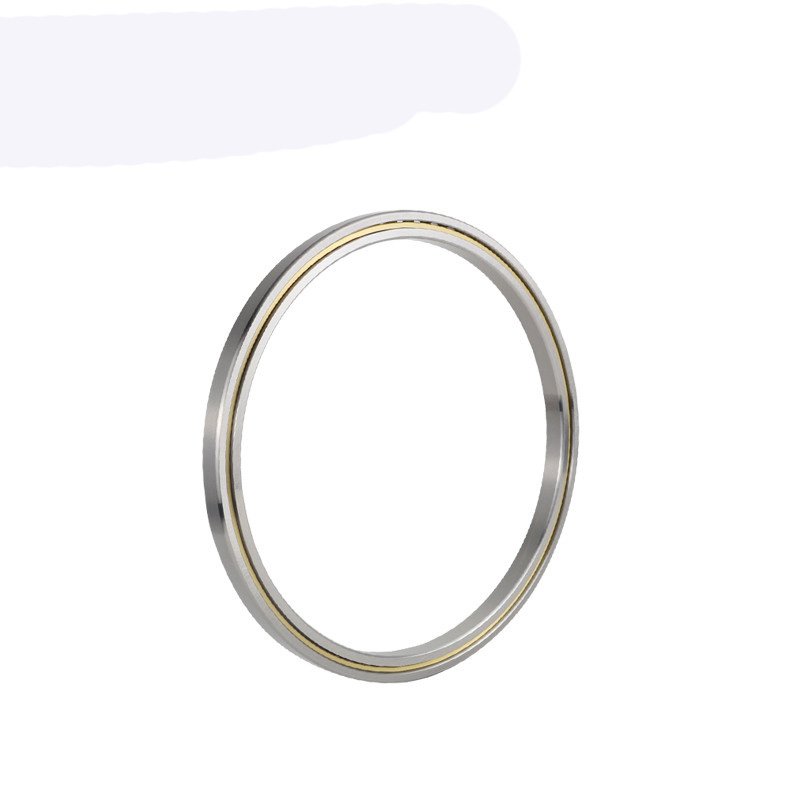
But CFN slim bearings don’t sacrifice performance for size. Crafted from high-grade materials like AISI 52100 bearing steel and AISI 440C stainless steel , they deliver impressive rigidity and precision, even in demanding conditions. Many models feature advanced coatings like Endurakote, which matches or exceeds the corrosion resistance of full stainless steel bearings while offering faster delivery times . This combination of slim design and rugged construction makes them ideal for environments where both space and durability are non-negotiable.
Where CFN Slim Bearings Shine: Real-World Applications
The true value of CFN slim bearings becomes clear when you look at where they’re used—applications that push the limits of engineering. Let’s dive into some key industries where these bearings are making a difference:
Aerospace & Defense
In aerospace, every gram of weight adds up, and space is a luxury. CFN slim bearings find homes in airborne cameras, satellite antennas, and even components for space exploration vehicles—think Mars rovers and telescope positioning systems . Their thin profile reduces overall payload weight, while their precision ensures critical movements (like antenna alignment) are smooth and accurate. In defense, they’re used in radar pedestals and weapons targeting systems, where reliability in extreme temperatures and vibration is mission-critical.
Medical Equipment
Medical devices demand pinpoint precision and corrosion resistance—two strengths of CFN slim bearings. They’re found in blood analyzers, surgical instruments, and endoscope rotation modules, where their compact size fits inside sleek, portable designs . For equipment like centrifuges, which spin at high speeds, CFN slim bearings maintain stability with minimal vibration, ensuring accurate test results. Their stainless steel and coated variants also stand up to frequent sterilization, a must in medical settings.
Industrial Robotics & Semiconductors
Modern robotics relies on compact, high-precision components to enable fluid, human-like movements. CFN slim bearings are used in SCARA robot joints,仿生 robotic fingers, and semiconductor pick-and-place machines . In semiconductor manufacturing—where even microscopic errors can ruin wafers—these bearings deliver the ultra-low vibration and tight tolerances needed for photolithography and wafer inspection equipment . Their ability to replace two standard bearings with one (in four-point contact designs) simplifies assembly and reduces overall system complexity .
Consumer Electronics & Optics
From smartwatch rotating crowns to AR/VR adjustment mechanisms, CFN slim bearings power the tiny, precise movements in our everyday gadgets . In optical equipment like telescopes and thermal imaging cameras, they ensure smooth lens adjustments without adding bulk, preserving the device’s sleek design. Even 3D printer heads and drone gimbals benefit from their lightweight, high-speed performance—with some models handling speeds up to 22,000 RPM while keeping temperature rise in check .
Installation & Maintenance: Getting the Most Out of CFN Slim Bearings
While CFN slim bearings are engineered for durability, proper installation and maintenance are key to maximizing their lifespan—especially given their precision construction. Here are some practical tips:
- Handle with care: Their thin rings are more susceptible to damage from improper force. Always apply pressure to the correct race (inner ring for shaft fits, outer ring for housing fits) and never force load through the rolling elements .
- Choose the right fit: CFN slim bearings come in radial contact (Type C), angular contact (Type A), and four-point contact (Type X) designs . Match the type to your load needs—four-point contact bearings, for example, handle both radial and axial loads with a single unit, saving space.
- Lubricate wisely: Use the correct lubricant for your application—polymer-modified greases for high temperatures, or oil for extreme speeds . Fill bearings to 1/3 to 1/2 capacity; over-lubrication causes excess heat and wear.
- Protect from contaminants: Sealed bearings are ideal for dirty environments, while open designs work for clean spaces like cleanrooms . For corrosive settings, opt for Endurakote or stainless steel variants .
Why CFN Slim Bearings Are a Smart Investment
In industries where design innovation and performance are tied to bottom-line success, CFN slim bearings offer a clear advantage. They let engineers shrink product size without compromising on reliability—a win for both functionality and aesthetics. Compared to generic slim bearings, CFN’s commitment to material quality (like low-oxygen-content steel) and precision manufacturing narrows the gap with top-tier international brands , making them a cost-effective choice for businesses looking to balance performance and budget.
Whether you’re designing a next-gen medical device, a lightweight aerospace component, or a compact robotic arm, CFN slim bearings prove that big performance can come in small packages. They’re not just components—they’re enablers of innovation, helping turn bold design ideas into reality.