

If you work in industries that rely on precise linear motion—like semiconductor manufacturing, precision measuring, or industrial automation—you’ve probably come across the term “cross roller table.” But what exactly is a cross roller table, how does it work, and why is it the go-to choice for high-precision applications? In this guide, we’ll break down everything you need to know, from its core structure and key benefits to real-world uses and how to choose the right one for your project. No jargon overload, just practical, actionable information to help you make informed decisions.
What Is a Cross Roller Table?
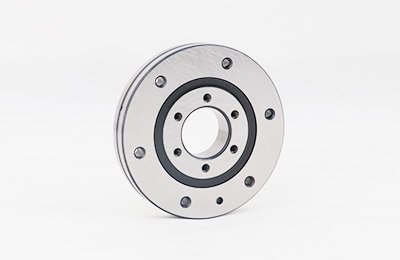
A cross roller table is a compact, high-rigidity linear guide unit designed to deliver smooth, accurate linear motion in industrial and precision equipment. Unlike traditional linear guides that use balls, cross roller tables feature cylindrical rollers arranged at 90-degree angles (crossed) between a precision-machined table and base. These rollers nest in V-shaped grooves, creating a stable, low-friction contact that ensures consistent performance even under heavy loads or repeated motion.
At its core, every cross roller table has three key components: a fixed base, a movable table (carriage), and crossed cylindrical rollers held in place by a cage (either metal or plastic) to prevent roller-to-roller contact and reduce wear. This simple yet innovative design is what sets cross roller tables apart from other linear motion solutions—it balances precision, rigidity, and durability in a compact footprint, making it ideal for applications where space is limited and accuracy is non-negotiable.
How Does a Cross Roller Table Work?
The functionality of a cross roller table hinges on its unique roller arrangement. The cylindrical rollers are positioned perpendicular to each other (crossed at 90 degrees) within the V-groove raceways of the base and table. When force is applied to the table, the rollers roll smoothly along the grooves, converting rotational motion into precise linear movement.
The V-groove design ensures that each roller makes four-point contact with the raceways, distributing the load evenly across the entire surface. This not only increases the table’s load-bearing capacity but also eliminates backlash (play between moving parts) and reduces friction to a minimum—typically 0.002 to 0.005, far lower than sliding guides. Many cross roller tables also feature clearance adjustment bolts, allowing you to fine-tune preload and achieve even higher precision, with some models reaching sub-micron level accuracy.
Key Benefits of Using a Cross Roller Table
Cross roller tables offer a range of advantages that make them indispensable in precision-focused industries. Here are the most notable benefits, based on real-world use cases and industry feedback:
- Exceptional Precision and Repeatability
One of the biggest draws of cross roller tables is their ability to deliver consistent, high-precision motion. Thanks to the crossed roller design and four-point contact, these tables can achieve positioning accuracy of ±0.1 μm and repeatability of ±0.2 μm or better—critical for applications like semiconductor lithography, optical inspection, and precision machining. The error-averaging effect of multiple rollers also helps minimize the impact of minor machining imperfections, ensuring stable performance over time.
- High Rigidity and Load Capacity
Despite their compact size, cross roller tables are incredibly rigid. The crossed roller arrangement and V-groove raceways distribute loads evenly, allowing the table to handle heavy loads, moment loads, and tilting loads far better than traditional ball guides. Some models can support dynamic loads of up to 280 pounds (127 kg) or more, with a 100% duty cycle—making them suitable for high-demand applications like industrial robots, CNC machines, and heavy-duty inspection equipment.
- Smooth, Low-Friction Motion
The rolling friction of the cylindrical rollers ensures smooth, backlash-free motion, even during high-speed or frequent reciprocating movements. This reduces energy consumption (some applications see a 70%+ reduction in drive power) and minimizes wear, extending the table’s service life. Unlike sliding guides, which can stick or wear unevenly over time, cross roller tables maintain consistent performance for millions of cycles—with some models boasting an L10 life (90% survival rate) of 100,000+ hours.
- Easy Installation and Versatility
Most cross roller tables come pre-assembled with the rollers and cage already installed, and the base and table feature precision-ground mounting surfaces with pre-drilled holes. This means you can install the table quickly with just bolts, no complex alignment or calibration required. Additionally, cross roller tables are available in a range of sizes and models—from miniature versions (like the VRT series) for small equipment to larger units (like the VRU series) for heavy-duty applications—making them versatile enough to fit almost any precision motion need.
- Excellent Environmental Adaptability
Cross roller tables are designed to perform in harsh or specialized environments. Many models are available in vacuum-compatible, corrosion-resistant, or cleanroom-ready versions—ideal for semiconductor manufacturing, medical equipment, and marine or chemical applications. For example, vacuum-compatible models use non-magnetic stainless steel and ceramic rollers to meet strict vacuum度 requirements, while corrosion-resistant versions feature PVD coatings that withstand 96+ hours of salt spray testing without rusting.
Real-World Applications of Cross Roller Tables
Cross roller tables are used across a wide range of industries, wherever precision linear motion is critical. Here are some of the most common applications, based on industry data and real customer use cases:
- Semiconductor Manufacturing
In semiconductor facilities, cross roller tables are used in (lithography machines), wafer probers, and die bonders to precisely position silicon wafers and optical components. Their sub-micron accuracy and vacuum compatibility ensure that chips are manufactured with consistent quality, reducing defects and improving yield. For example, ASML EUV光刻机 uses cross roller tables to support the workpiece stage, achieving 2nm-level positioning accuracy during chip fabrication.
- Precision Measuring and Testing Equipment
Cross roller tables are a staple in coordinate measuring machines (CMMs), optical measuring instruments, and surface profilometers. Their high rigidity and repeatability ensure that measurements are accurate and consistent, even when the equipment is used for hours on end. A leading manufacturer of CMMs reported a 40% improvement in measurement accuracy after switching to cross roller tables, reducing measurement uncertainty from 1.5 μm to 0.3 μm.
- Industrial Automation and Robotics
In automation systems and industrial robots, cross roller tables are used in linear axes, robot arms, and pick-and-place mechanisms. Their compact size, high load capacity, and smooth motion make them ideal for tight spaces and high-speed operations. For example, robotic assembly arms use cross roller tables to position components with precision, reducing assembly errors and increasing production efficiency.
- Medical Equipment
Medical devices like CT scanners, surgical robots, and diagnostic equipment rely on cross roller tables for precise motion control. GE Medical’s 256-slice CT scanner uses cross roller tables to support the rotating, carrying loads of up to 1.2 tons while maintaining positioning errors of less than 0.05 mm—critical for accurate medical imaging and minimally invasive surgery.
- CNC Machining and Tooling
CNC lathes, milling machines, and grinding machines use cross roller tables in their feed axes to position tools and workpieces with precision. The high rigidity of cross roller tables ensures that the tool remains stable during heavy cutting, improving surface finish and reducing tool wear. A CNC machine shop reported a 25% increase in productivity after upgrading to cross roller tables, thanks to faster cycle times and fewer reworks.
How to Choose the Right Cross Roller Table for Your Application
With so many cross roller table models available, choosing the right one can be overwhelming. Here’s a step-by-step guide to help you select the perfect table for your needs—based on industry best practices and practical experience:
Step 1: Define Your Precision and Load Requirements
Start by identifying your application’s precision needs (positioning accuracy, repeatability) and load requirements (static load, dynamic load, moment load). For example, semiconductor applications may require sub-micron accuracy, while heavy-duty machining may need a table with high load capacity. Refer to the manufacturer’s specifications for accuracy grades (IT3 to IT7) and load ratings to ensure the table can handle your application’s demands.
Step 2: Consider the Installation Space
Cross roller tables come in a range of sizes, from miniature models (ideal for small OA equipment or medical devices) to larger units for industrial machinery. Measure the available space in your equipment and choose a table that fits without compromising performance. Keep in mind that some models offer low-profile designs, which are perfect for tight spaces where height is a constraint.
Step 3: Evaluate Environmental Conditions
If your application operates in a harsh environment (e.g., vacuum, cleanroom, corrosive conditions), choose a cross roller table designed for those conditions. Look for features like vacuum-compatible materials, corrosion-resistant coatings, or cleanroom-certified designs (Class 1 ISO 14644-1) to ensure long-term performance.
Step 4: Check Compatibility and Mounting Options
Ensure the cross roller table is compatible with your existing equipment. Look for tables with standard mounting holes (tapped or counterbored) that match your setup, and check if the table can be mounted in multiple orientations (horizontal, vertical) to fit your application’s needs. Many manufacturers offer custom mounting options if standard models don’t fit.
Step 5: Compare Manufacturers and Quality
Not all cross roller tables are created equal. Choose a reputable manufacturer with a track record of producing high-quality, reliable products. Look for manufacturers that use precision machining and high-grade materials (e.g., hardened steel, DLC coatings) to ensure durability and performance. Read customer reviews and ask for case studies to verify the table’s performance in real-world applications.
Common Mistakes to Avoid When Using Cross Roller Tables
Even the best cross roller table won’t perform well if it’s misused. Here are some common mistakes to avoid, based on industry experience:
- Overloading the table: Exceeding the rated load can damage the rollers and raceways, reducing precision and service life. Always check the manufacturer’s load ratings and factor in dynamic loads (e.g., acceleration, deceleration) when selecting a table.
- Ignoring preload adjustment: Proper preload is critical for eliminating backlash and ensuring precision. Failing to adjust the preload can lead to inaccurate motion and premature wear.
- Poor installation: Misaligning the base or table during installation can cause uneven wear and reduce precision. Always use precision tools to align the table and follow the manufacturer’s installation instructions.
- Neglecting maintenance: While cross roller tables are low-maintenance, regular lubrication and cleaning are essential to keep them performing well. Use the recommended lubricant and clean the raceways regularly to remove debris.
Final Thoughts: Why Cross Roller Tables Are Essential for Precision Motion
In today’s precision-driven industries, every micron matters. Cross roller tables deliver the accuracy, rigidity, and durability needed to meet the demands of modern manufacturing, automation, and medical equipment. Whether you’re building a semiconductor lithography machine, a precision measuring tool, or an industrial robot, a cross roller table can help you achieve consistent, reliable performance—while saving space and reducing long-term maintenance costs.
By understanding how cross roller tables work, their key benefits, and how to choose the right one for your application, you can make informed decisions that improve your equipment’s performance and your bottom line. If you’re still unsure which cross roller table is right for you, reach out to a trusted manufacturer or industry expert—they can help you select a table that fits your specific needs and budget.