

Harmonic drive bearings are specialized precision bearings engineered for harmonic drive systems—compact, high-reduction-ratio mechanical transmissions. Unlike standard bearings, they are designed to accommodate the unique elastic deformation of harmonic drive components (such as the flexspline) while maintaining exceptional rotational accuracy. This synergy makes them vital in applications demanding zero backlash, high torque density, and compact design. Below is a comprehensive guide to their key benefits, top applications, and selection strategies.
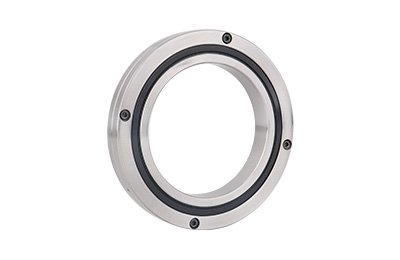
Core Advantages of Harmonic Drive Bearings
The defining strength of harmonic drive bearings is their ability to handle elastic deformation. They support the flexspline’s repeated radial expansion and contraction during operation, ensuring stable performance without premature wear. This design also delivers zero backlash—a critical advantage for precision positioning, as it eliminates rotational play that compromises accuracy in automated systems.
Another key benefit is high torque capacity relative to size. Their compact profile pairs with robust load-bearing capabilities, allowing harmonic drive systems to deliver significant torque without bulky components. Additionally, they offer low noise and vibration due to smooth roller-raceway contact, and premium models feature corrosion-resistant materials (e.g., stainless steel) for durability in harsh environments like medical cleanrooms or industrial settings.
Key Applications of Harmonic Drive Bearings
Harmonic drive bearings are integral to precision-critical industries, with these primary use cases:
•
Robotics: Used in collaborative robots (cobots), robotic arms, and end-effectors, enabling precise, backlash-free movements for assembly, pick-and-place, and surgical tasks.
•
Medical Equipment: Found in surgical robots, diagnostic imaging systems, and prosthetic devices, where precision and reliability directly impact patient safety.
•
Aerospace & Defense: Integrated into satellite antenna positioning systems, UAV (drone) actuators, and missile guidance components, withstanding extreme temperatures and vibration.
•
Industrial Automation: Applied in CNC machine tool axes, semiconductor wafer handlers, and precision conveyors, ensuring consistent positioning and high throughput.
Expert Selection Tips for Harmonic Drive Bearings
When selecting harmonic drive bearings, prioritize compatibility with flexspline dimensions—a precise fit is essential to accommodate deformation. Consider torque requirements and operating speed: high-speed applications benefit from bearings with low-friction cages (e.g., polymer), while heavy-load scenarios need hardened steel constructions.
Environmental factors matter too: choose sealed bearings for dusty or wet environments, and stainless steel variants for corrosive settings. Partner with ISO 9001-certified suppliers to ensure adherence to precision standards. Investing in quality harmonic drive bearings enhances system longevity and reduces downtime in critical precision applications.