

In today’s engineering landscape, where equipment is becoming increasingly compact, lightweight, and precise, the demand for components that maximize space without sacrificing performance has never been higher. Thin section bearings—also known as thin-walled bearings—have emerged as a critical solution for designers and manufacturers across industries, from aerospace and robotics to medical devices and industrial automation. Unlike standard bearings, their unique design keeps cross-sections consistent even as bore diameters increase, making them ideal for tight spaces where every millimeter counts. This guide breaks down everything you need to know about thin section bearings, including their types, benefits, applications, and how to choose the right one for your project.
What Are Thin Section Bearings?
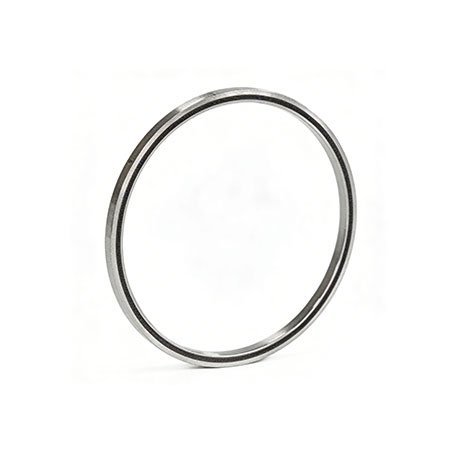
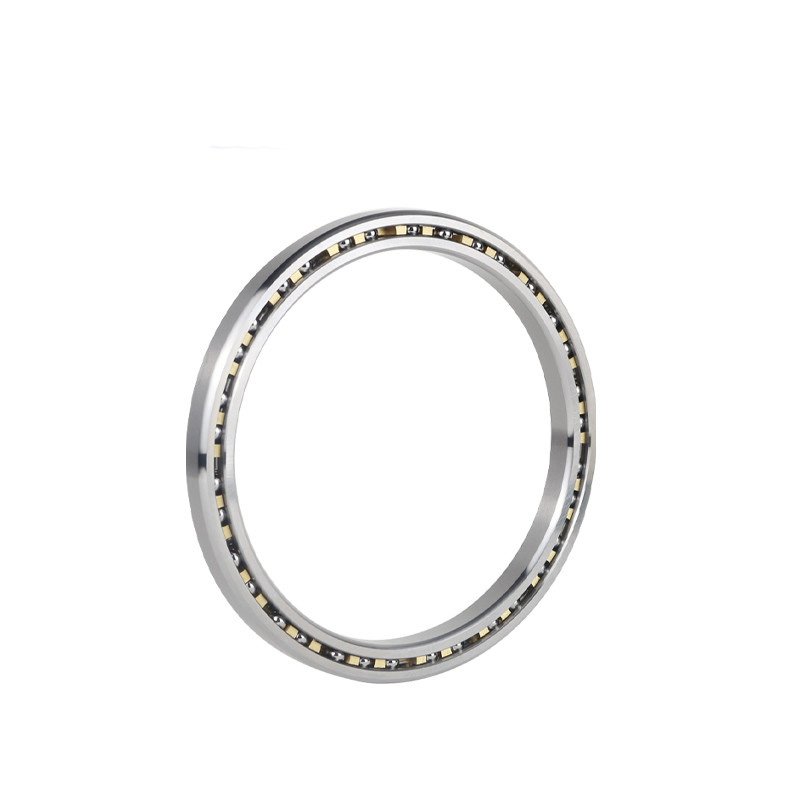
Thin section bearings are a specialized type of ball bearing characterized by their extremely thin cross-sectional profile. Unlike conventional bearings, where the cross-section grows larger as the bore diameter increases, thin section bearings maintain a constant, narrow cross-section across a range of bore sizes—this is their defining feature, often referred to as “constant section” design. Typically, their cross-sections range from as small as 0.1875 inches to 1.000 inches, with bore diameters spanning from 1 inch up to 37 inches or more, depending on the manufacturer.
Made from high-quality materials like AISI 52100 high carbon steel, 440C stainless steel, or even specialty alloys like M50 tool steel for extreme conditions, thin section bearings are engineered to deliver precision, durability, and reliable performance in applications where space and weight are critical constraints. They can also be coated with black oxide, zinc-nickel, or cadmium to enhance corrosion resistance, making them suitable for harsh environments.
Common Types of Thin Section Bearings
Thin section bearings come in several configurations to accommodate different load types, speeds, and application requirements. The most widely used types include:
- Angular Contact Thin Section Bearings
Angular contact bearings are designed to handle both radial and unidirectional thrust loads. They feature a specific contact angle (typically 30° or 45°) that determines their load-carrying capacity and stiffness. These bearings are often mounted in opposed pairs to balance thrust loads and establish the proper contact angle between the balls and races, making them ideal for high-precision applications like robotics, machine tools, and optical equipment.
- Four-Point Contact Thin Section Bearings
Four-point contact bearings are a versatile option that can handle any combination of radial, thrust, and moment loads. A single four-point contact bearing can often replace two angular contact bearings, saving space and reducing weight. This makes them popular in applications where compact design is critical, such as rotary tables, satellite antennas, and aerospace components. They also offer excellent rigidity and precision, making them suitable for high-speed rotation with minimal friction.
- Radial (Deep Groove) Thin Section Bearings
Radial, or deep groove, thin section bearings are the most common type. They are designed primarily to handle radial loads but can also accommodate small axial loads in both directions. With a simple, cost-effective design, these bearings are used in a wide range of applications, including medical devices, semiconductor equipment, and light industrial machinery. They are available in sealed or unsealed configurations to protect against contaminants and retain lubrication.
- Custom Thin Section Bearings
Many manufacturers offer custom thin section bearings tailored to specific application needs. These can include modified cross-sections, specialty materials, unique seals, or non-standard bore sizes. Custom bearings are essential for industries like aerospace and defense, where equipment has unique design constraints and performance requirements. Manufacturers with flexible manufacturing systems can produce custom bearings with short lead times, ensuring they meet tight project deadlines.
Key Benefits of Using Thin Section Bearings
The unique design of thin section bearings offers several advantages over standard bearings, making them a preferred choice for modern engineering projects:
Space and Weight Savings
The most obvious benefit is their compact profile. By maintaining a thin cross-section even for large bore diameters, thin section bearings allow designers to reduce the size and weight of equipment without compromising performance. This is particularly critical in industries like aerospace, where every ounce of weight affects fuel efficiency, and robotics, where compact components enable more agile movement.
High Precision and Stiffness
Thin section bearings are manufactured to tight tolerances (often ABEC 1F, 3F, 5F, or 7F) to ensure precise rotation and positioning. Their rigid design minimizes deflection under load, making them ideal for applications that require high accuracy, such as laser cutting systems, optical equipment, and semiconductor manufacturing. Some high-precision models offer repeatability of ±0.05 mm, ensuring consistent performance in critical operations.
Reduced Friction and Torque
With optimized ball and raceway designs, thin section bearings operate with lower frictional torque and less torque variation compared to standard bearings. This reduces energy consumption, heat generation, and wear, extending the life of both the bearing and the equipment it supports. Lower friction also enables smoother rotation, which is essential for applications like medical devices and precision robotics.
Versatility and Flexibility
Thin section bearings are available in a wide range of sizes, configurations, and materials, making them suitable for diverse industries and applications. They can be used in high-speed, low-speed, high-temperature, or corrosive environments, depending on the material and coating selected. Additionally, their constant section design allows for flexible sizing—designers can increase bore diameter without increasing the bearing’s cross-section, providing more space for other components like wiring or hydraulic lines.
Cost-Effective Long-Term Performance
While thin section bearings may have a higher initial cost than standard bearings, their durability, reduced maintenance needs, and ability to extend equipment life make them cost-effective in the long run. Their sealed configurations protect against contaminants, reducing the risk of premature failure, and their high load-carrying capacity means they can handle heavy loads without needing larger, more expensive bearings.
Top Applications of Thin Section Bearings
Thin section bearings are used in nearly every industry where space, weight, and precision are critical. Some of the most common applications include:
Aerospace and Defense
In aerospace, thin section bearings are used in aircraft components, satellite antennas, radar systems, and spacecraft. Their lightweight design reduces fuel consumption, while their high precision and durability ensure reliable performance in extreme conditions (e.g., high temperatures, vacuum environments). Many aerospace-grade thin section bearings are manufactured to meet strict DFARS requirements, ensuring quality and compliance.
Robotics and Automation
Industrial robots and automated equipment rely on thin section bearings for their joints, wrists, elbows, and rotating bases. The compact design allows for more agile movement, while the high precision ensures accurate positioning. Four-point contact and angular contact thin section bearings are particularly popular in robotics, as they can handle combined loads and provide the stiffness needed for heavy-duty operations. They also enable the use of hollow shafts, which route wiring and hydraulic lines, maximizing internal space utilization.
Medical Devices
Medical equipment like MRI machines, surgical robots, and diagnostic tools require small, precise bearings that can operate in clean, sterile environments. Thin section bearings made from stainless steel or specialty alloys are corrosion-resistant and easy to sterilize, making them ideal for these applications. Their low friction and smooth rotation also ensure quiet operation, which is critical for patient comfort and equipment performance.
Industrial Machinery
In industrial settings, thin section bearings are used in machine tools, rotary tables, laser cutting systems, and harmonic reducers. They help reduce the size of equipment while maintaining high precision and load-carrying capacity. For example, in laser cutting systems, large-bore thin section bearings accommodate hollow shafts for integrated pneumatics and wiring, while advanced sealing maintains 0.1 mm scanning precision in abrasive environments.
Semiconductor and Electronics
Semiconductor manufacturing equipment requires ultra-precise bearings to handle delicate wafers and ensure accurate processing. Thin section bearings with tight tolerances and low particle generation are used in wafer handling systems, robotic arms, and test equipment. Their compact design also helps reduce the footprint of semiconductor machinery, which is essential for cleanroom environments where space is limited.
How to Choose the Right Thin Section Bearing
Selecting the right thin section bearing for your application requires careful consideration of several key factors. Here’s a step-by-step guide to help you make the best choice:
- Determine Load Requirements
First, identify the type of load your bearing will handle: radial, axial (thrust), moment, or a combination. Angular contact bearings are best for radial and unidirectional thrust loads, while four-point contact bearings handle combined radial, axial, and moment loads. Radial bearings are suitable for primarily radial loads with small axial loads.
- Consider Speed and Precision Needs
High-speed applications (e.g., robotics, aerospace) require bearings with low friction and high precision. Look for bearings with tight tolerances (ABEC 5F or 7F) and optimized cage designs to reduce friction and heat generation. For low-speed, high-precision applications (e.g., medical devices, optical equipment), focus on rigidity and positioning accuracy.
- Evaluate the Operating Environment
Consider factors like temperature, humidity, corrosion, and contamination. For harsh environments (e.g., outdoor equipment, chemical processing), choose bearings made from stainless steel or specialty alloys with corrosion-resistant coatings. Sealed bearings are recommended for dusty or wet environments to protect against contaminants and retain lubrication.
- Check Size and Space Constraints
Measure the available space for the bearing, including cross-section, bore diameter, and overall length. Thin section bearings are available in a range of constant cross-sections, so select a series that fits your space while providing the necessary load-carrying capacity. Remember, the constant section design allows you to increase bore diameter without increasing the bearing’s width, which can help optimize space for other components.
- Choose the Right Material and Coating
Select a material based on your application’s needs: AISI 52100 steel is ideal for general industrial use, 440C stainless steel for corrosion resistance, and M50 tool steel for high-temperature applications. Coatings like black oxide or zinc-nickel can further enhance corrosion resistance and durability. For cleanroom applications (e.g., semiconductors, medical devices), choose materials with low particle generation.
- Work with a Reputable Manufacturer
Choose a manufacturer with experience in producing thin section bearings and a proven track record of quality. Look for ISO 9001:2015 certified manufacturers, as this ensures compliance with international quality standards. Reputable manufacturers also offer custom solutions, technical support, and short lead times, which can help streamline your project and ensure your bearing meets all requirements.
Maintenance Tips for Thin Section Bearings
Proper maintenance is essential to extend the life of thin section bearings and ensure optimal performance. Here are some key tips:
- Lubricate regularly: Use the right type of lubricant (grease or oil) for your application. Grease is recommended for most applications, as it provides better protection against contaminants and requires less frequent reapplication. Oil is better for high-speed applications where heat generation is a concern.
- Inspect for wear and damage: Regularly check bearings for signs of wear, corrosion, or damage (e.g., scratches, dents, abnormal noise). Replace worn or damaged bearings immediately to prevent equipment failure.
- Keep bearings clean: Ensure the area around the bearing is clean to prevent contaminants from entering. Sealed bearings should be checked for damage to the seal, as a broken seal can allow dirt and debris to enter the bearing.
- Follow proper installation procedures: Improper installation can damage thin section bearings and reduce their lifespan. Use the right tools and follow the manufacturer’s installation guidelines to ensure a proper fit.
Final Thoughts
Thin section bearings are a game-changer for modern engineering, offering a unique combination of space savings, precision, durability, and versatility. Whether you’re designing aerospace components, industrial robots, medical devices, or semiconductor equipment, these bearings can help you optimize your design, reduce weight and size, and improve overall performance.
By understanding the different types of thin section bearings, their benefits, applications, and how to choose the right one, you can make informed decisions that enhance the reliability and efficiency of your equipment. Remember to work with a reputable manufacturer and follow proper maintenance practices to get the most out of your thin section bearings.
If you’re unsure which thin section bearing is right for your project, reach out to a bearing manufacturer or supplier for technical support. Their expertise can help you select the perfect bearing to meet your specific needs and ensure long-term success.